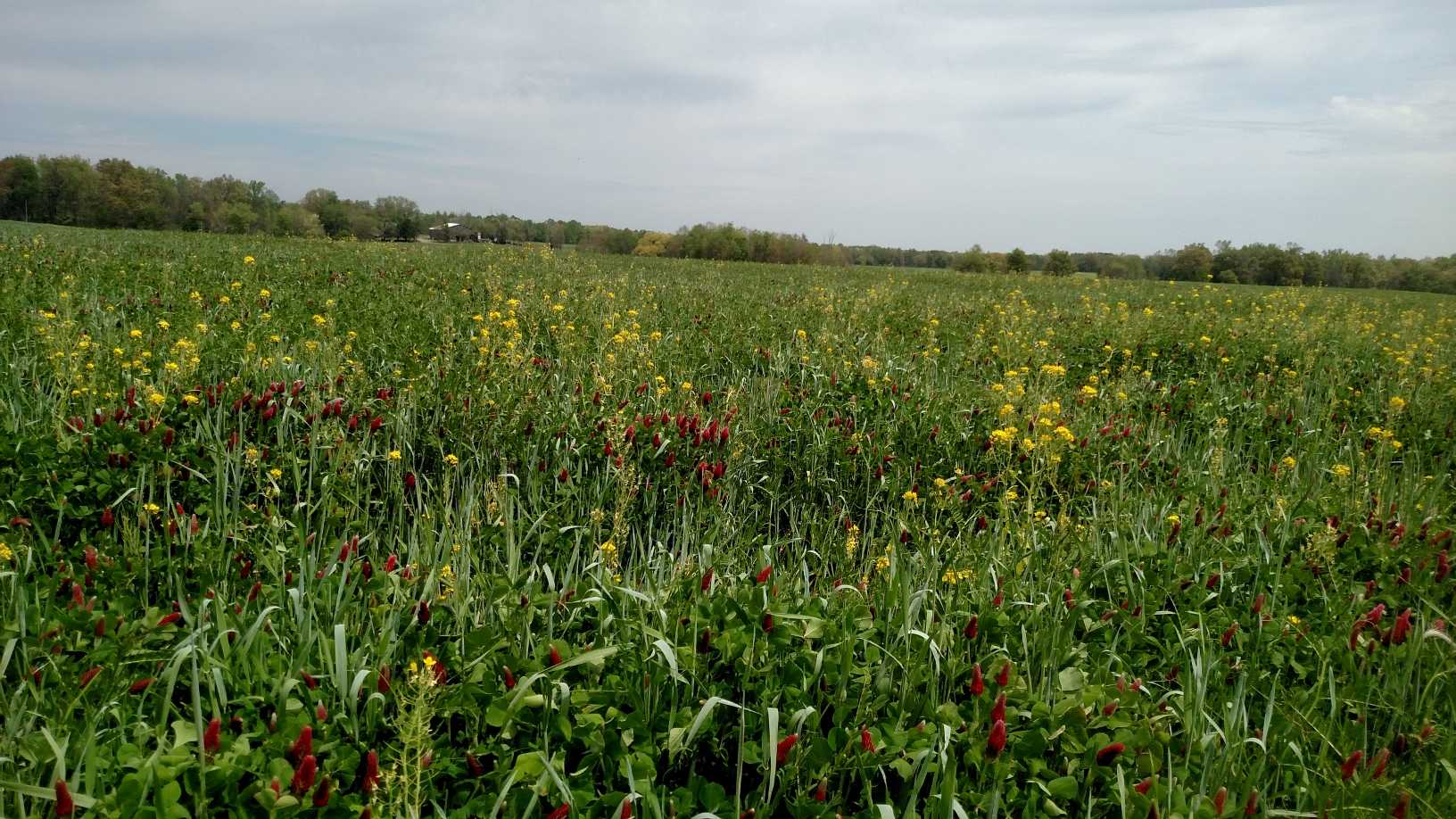
Office & Contact Snapshot
Quick reference details for reaching the DeKalb County Soil Conservation District.
Address
647 Bright Hill Road
Smithville, TN 37166
Phone
(615) 597-8225, extension 3
Coverage Area
Serving agricultural producers and landowners throughout DeKalb County, Tennessee.
Programs & Services
Core conservation programs and resources available through the District.
EQIP
Environmental Quality Incentives Program support focused on improving soil, water, and related natural resources for producers in DeKalb County.
View EQIP details →CSP
Conservation Stewardship Program assistance for maintaining and improving conservation systems on active agricultural operations.
View CSP details →Newsletters
District newsletters covering activities, updates, and conservation education materials for local producers.
View newsletters →FAQ
Answers on eligibility, procedures, and program requirements for new and existing participants.
View FAQ →Land & Equipment Resources
Practical tools the District highlights for conservation on working land.
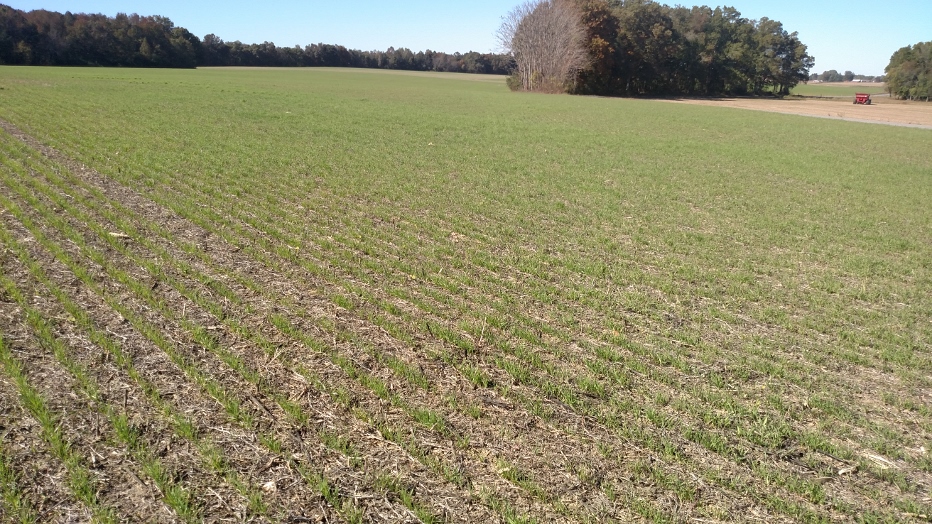
No-Till Drill
A no-till drill resource supports planting practices that help reduce soil disturbance on participating farms.
Pasture & Fencing
Conservation planning often includes fencing and grazing infrastructure as part of broader land management practices.
Water Access
Livestock watering solutions, such as repurposed troughs, are among the practical conservation measures used on local land.
Burn Permits & Safety
Guidance for producers planning controlled burns, especially as warm weather increases outdoor activity.
Requesting a Permit
Information on the process for requesting a burn permit before conducting a controlled burn in DeKalb County.
Burn permit information →Safety Protocols
Safety is emphasized as warm weather brings increased outdoor burning activity in the area.
BurnSafeTN.org
Additional statewide burn safety resources are available through BurnSafeTN.org.
Related Resources
Linked agencies and programs referenced by the District.
The DeKalb County Soil Conservation District connects local farmers and landowners with the technical and financial resources needed to protect soil health, improve water quality, and sustain productive farmland. Through partnerships with the USDA Natural Resources Conservation Service and other agencies, the District provides one-on-one planning support tailored to the unique landscape of middle Tennessee. Whether you manage pasture, row crops, or woodland, conservation practices can be designed to fit your operation and long-term goals.
Managing soil resources effectively starts with understanding what your land needs. The District helps producers evaluate erosion concerns, nutrient levels, and water movement across their fields. From there, staff can recommend practical measures such as cover cropping, rotational grazing, grassed waterways, and residue management. These practices work together to build organic matter, reduce runoff, and keep valuable topsoil in place, strengthening the overall resilience of the farm for seasons to come.
Water is one of the most critical resources on any property, and conservation planning takes a close look at how it flows through the landscape. The District offers guidance on practices that slow, spread, and sink water where it falls, helping to recharge groundwater and reduce downstream flooding. Pond management, stream buffers, and livestock exclusion fencing are just a few of the approaches that can make a measurable difference for both the producer and the broader watershed community.
No-till drilling has become an essential tool for farmers looking to reduce soil disturbance, conserve moisture, and cut input costs over time. The District maintains a no-till drill available for local producers, making it easier to adopt this practice without a large upfront equipment investment. Planting directly into existing residue protects the soil surface from erosion, encourages beneficial microbial activity, and helps fields retain more of the rainfall they receive throughout the growing season.
Burn permits are an important part of responsible land management in Tennessee, and the District serves as a local point of contact for those who need to conduct safe, permitted burns. A debris burn permit is required for outdoor burning in many situations, and following the state's precautionary measures helps prevent escaped fires and protects surrounding property. Checking weather conditions, notifying the proper authorities in advance, and following burn safety recommendations are all essential steps before lighting any outdoor fire.
The Environmental Quality Incentives Program, commonly known as EQIP, provides financial and technical assistance to agricultural producers who want to address natural resource concerns on their land. Through the local USDA service center, farmers can explore EQIP contracts that support practices like nutrient management, cover crops, prescribed grazing, and high tunnel systems. The application process is competitive and considers the environmental benefits each project would deliver to the surrounding area.
The Conservation Stewardship Program offers another pathway for producers who are already implementing conservation practices and want to take their efforts further. CSP rewards working lands conservation by supporting enhancements that build on existing good management. Participants work with District staff to identify additional activities such as pollinator habitat plantings, advanced grazing rotations, or soil health testing, all aimed at achieving higher levels of stewardship across the entire operation.
Local oversight of District programs comes from a board of supervisors who understand the agricultural landscape of DeKalb County firsthand. These board members help set priorities, guide outreach efforts, and ensure that available resources align with the real needs of the farming community. Regular public meetings provide an opportunity for landowners to stay informed and share input on conservation direction, keeping the District grounded in the concerns and aspirations of the people it serves.
Staying connected with the District is straightforward whether you prefer to stop by the office, call, or reach out online. Staff members are available to answer questions about program eligibility, practice specifications, and the steps involved in getting started with a conservation plan. Appointments are recommended to ensure that dedicated time is set aside for your visit, and many resources can be explored ahead of time through the USDA website and partner agency portals.
Board, Staff & District Background
Local leadership and agency partners working with DeKalb County producers.
SCD Board
Current board members guide District priorities and conservation planning for the county.
SCD, NRCS & FSA Staff
Staff listings connect producers with District, NRCS, and FSA contacts for program support.
View Board & Staff →History & Reports
Background on the District's history, the value of agriculture locally, and annual reports and meeting minutes.
About the District →Pasture & Field Views
Conservation work supports pasture, cropland, and grazing systems across the county.

Grazing Infrastructure
Fencing systems are a common element of conservation planning on grazing land.
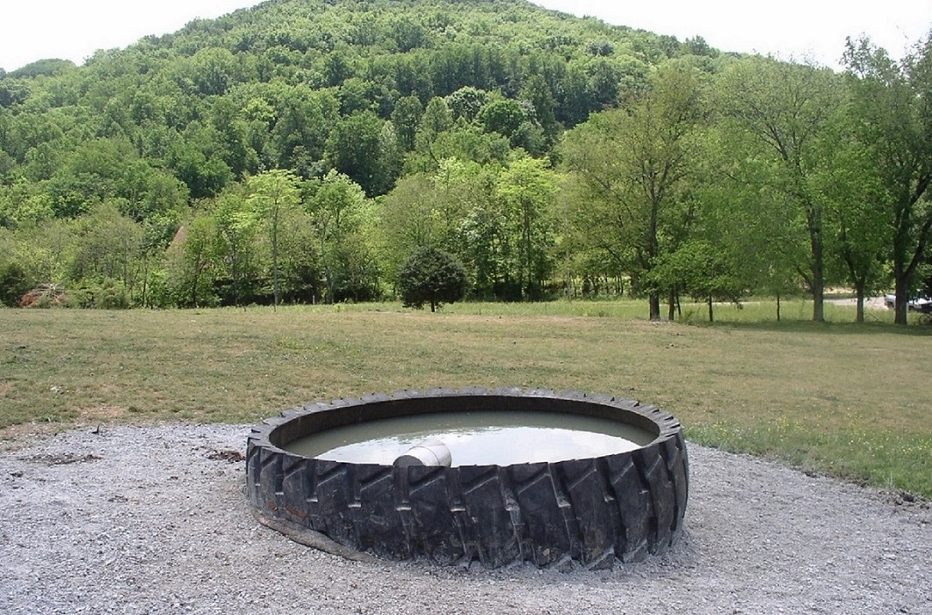
Livestock Water Sources
Simple, durable watering setups support livestock operations on conservation-minded farms.